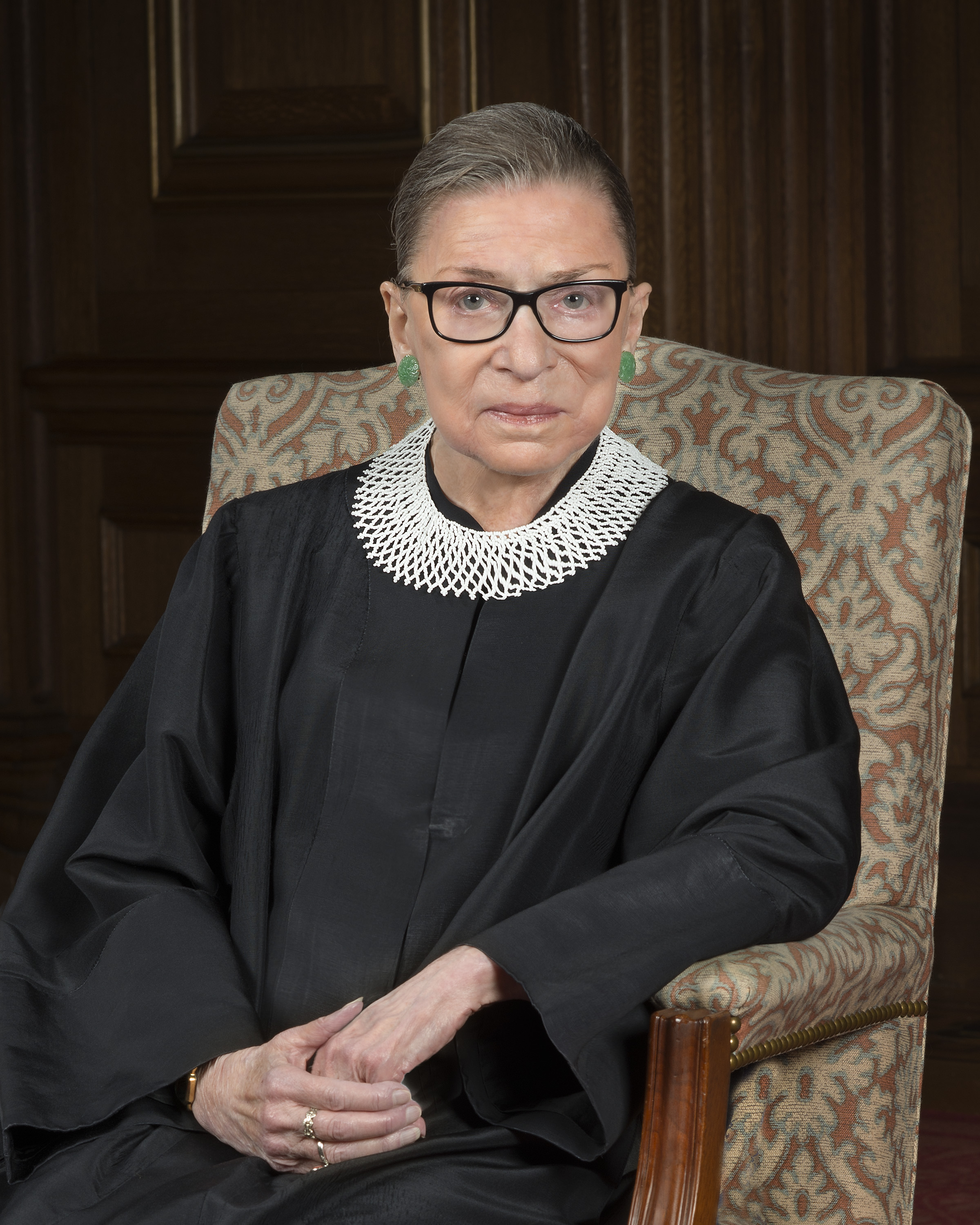
THE STORY
A January 2020 prophetic video about the U.S. Supreme Court took on fresh weight when Justice Ruth Bader Ginsburg died in September 2020 and Amy Coney Barrett was confirmed a month later, locking in a 6–3 conservative majority. For readers new to the story, this is not abstract symbolism: it is about the membership of the nation’s highest court, the institution that can alter abortion rights, religious liberty, voting rules and the reach of presidential power for years at a time. The earlier word did not name Ginsburg or Barrett, but it did describe a justice leaving and “another seat” opening in a way that now reads as startlingly close to the real sequence.
FROM THE ORIGINAL PROPHECY
“I saw a Supreme Court judge dropping the gavel ... another seat was getting ready to be made available ... which will shift the balance of powers judicially”
The archived source is a YouTube video titled “2020 USA Prophecy | 18 prophetic landmarks for the United States,” published on 30 January 2020 at Watch the original prophecy ↗. In the passage under review, Tomi Arayomi said: “I saw a Supreme Court judge dropping the gavel ... another seat was getting ready to be made available ... which will shift the balance of powers judicially”. That line is preserved in the archive as a serious dated source. It pointed broadly to a vacancy and a downstream shift in judicial balance.
A vacancy that changed the Court.
The prophetic video went online on 30 January 2020, months before the Supreme Court upheaval it would later be compared with. In September 2020, Justice Ruth Bader Ginsburg died, creating a vacancy on a nine-member Court that had already become one of the most consequential power centers in American life. President Donald Trump nominated Amy Coney Barrett on 26 September 2020. Her confirmation hearing moved quickly through the Senate Judiciary Committee and then to the full chamber. On 26 October 2020, the Senate confirmed Barrett by a 52–48 vote, with nearly every Democrat opposed and nearly every Republican in support. The result was immediate and visible: the Court’s ideological balance moved to a 6–3 conservative majority. That change mattered far beyond courtroom procedure. The Supreme Court helps define the rules for elections, regulatory agencies, abortion, religious exemptions and executive authority, so a single seat can reverberate through ordinary life, state governments and national politics. The archived review classifies the sequence as a strong alignment between the January 2020 language and the later Ginsburg-to-Barrett transition, while also noting that the source passage was symbolic rather than named.