SEERWIRE · PUBLISHED SEERWIRE EDITION ● PUBLISHED / VERIFIED SOURCE RECORDTHE WORD. THE WORLD. THE EVIDENCE.

THE WORD × THE WORLD / NIGERIA / FREEDOM OF EXPRESSION

Nigeria’s 2018 warning about silencing dissent echoes in Twitter ban and social-media crackdown

A 2018 Tomi Arayomi recording warned of government efforts to silence media voices of dissent. Nigeria’s later Social Media Bill and nationwide Twitter suspension gave that warning fresh weight for ordinary users, journalists, and a state still wrestling with speech, power, and control.

ORIGINAL WORD 24 September 2018DOCUMENTED EVENT 04 JUN 2021

PUBLISHED

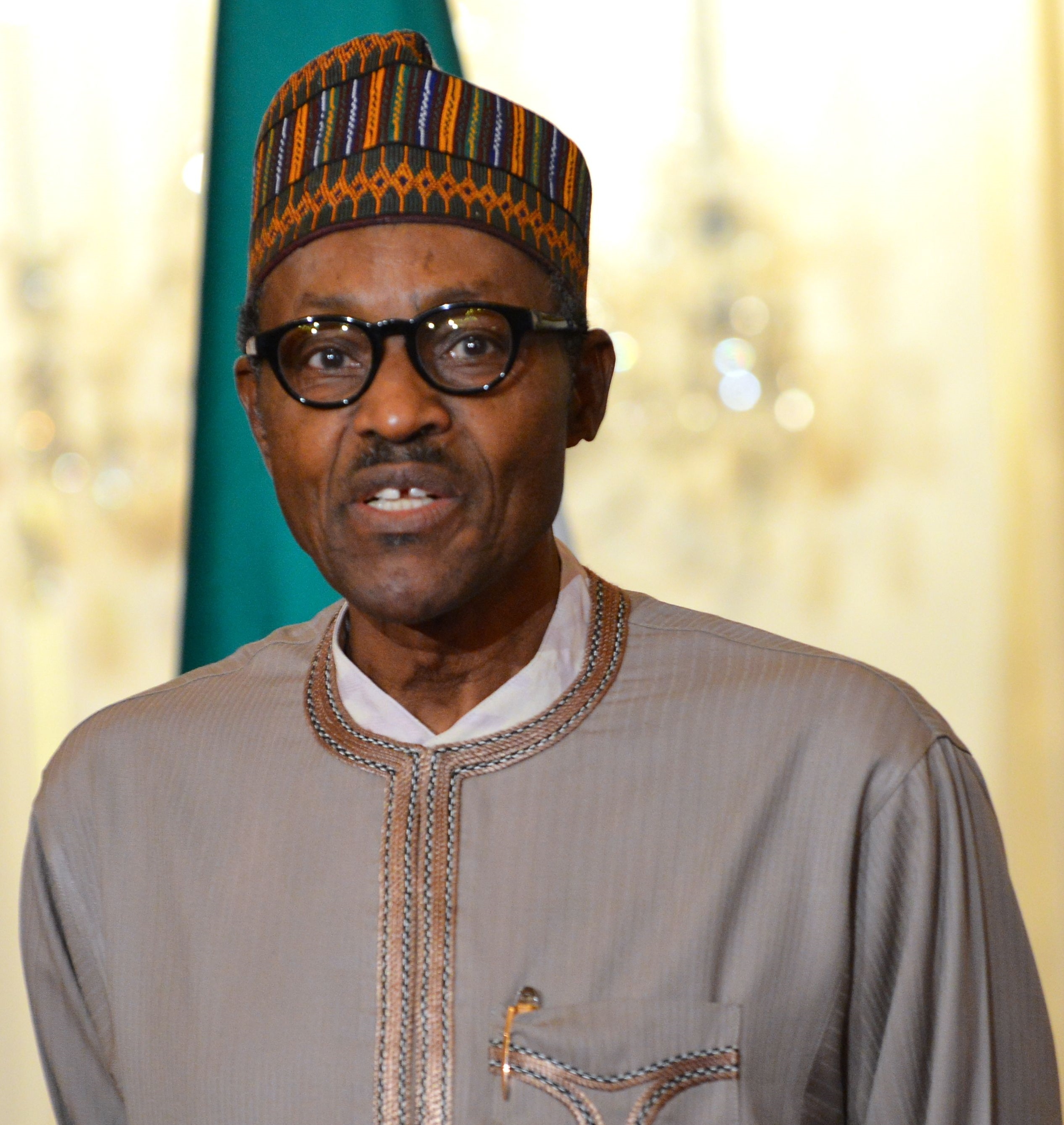
Muhammadu Buhari speaking to reporters, July 2015 · U.S. Department of State / public domain. Archival photograph, not the June 2021 Twitter-ban announcement.

THE STORY

Nigeria’s nationwide suspension of Twitter in June 2021 landed like a political thunderclap: millions of users suddenly lost a major public square, businesses scrambled, and journalists watched a familiar pattern harden into policy. That same tension had been named nearly three years earlier in a dated 2018 recording by Tomi Arayomi, who warned of “attempts to silence and censor media voices of dissent” and “deliberate moves by government through intimidation to silence media voices or voices of dissent.” For newcomers, the significance is simple and serious: this is about who gets to speak, who gets heard, and how quickly a government can narrow the space for disagreement. The later Nigerian actions did not arise in a vacuum, but they did give Arayomi’s words unusual staying power.

FROM THE ORIGINAL PROPHECY

“attempts to silence and censor media voices of dissent ... deliberate moves by government through intimidation to silence media voices or voices of dissent”

The original source is Tomi Arayomi’s YouTube recording, “Nigeria 2019 Prophecy | Tomi Arayomi,” published on 24 September 2018 at 08:44:31 UTC at Watch the original prophecy ↗. The archived quotation at issue reads: “attempts to silence and censor media voices of dissent ... deliberate moves by government through intimidation to silence media voices or voices of dissent”. the dated source is clear enough to read as a serious warning about state pressure on speech.

When the warning met national policy.

Nigeria’s media-control story in this period unfolded in steps. In November 2019, the Senate introduced the Protection from Internet Falsehood and Manipulations Bill, often discussed alongside broader social-media regulation efforts. The bill drew attention because it targeted online falsehoods and platform behavior in ways critics said could chill dissent and give officials greater leverage over speech. Then, on 4 June 2021, the federal government suspended Twitter in Nigeria after the platform removed a presidential tweet. The move affected communications, journalism, activism, and everyday commerce, because Twitter had become an essential tool not just for commentary but for organizing, customer outreach, and public information. Research notes also point to earlier regulation and blocking efforts before the 2018 recording, which matters because prophecy readers should ask not only whether later events fit a warning, but whether the warning named something already underway. That background does not erase the later correspondence; it does shape how strongly the case can be read.

HEAR IT IN CONTEXT

Return to the original.

Original hosted prophecy, not an AI narration or recreation.

THE CORRESPONDENCE

Why this connection matters.

Taken together, the 2019 bill and the 2021 Twitter suspension give Arayomi’s 2018 warning real contemporary force. The correspondence is not merely thematic. The warning centered on government intimidation, censorship, and the silencing of dissenting media voices; the later developments involved state action around online speech, platform control, and the disciplining of a powerful communication channel. For ordinary Nigerians, the consequences were practical and immediate: fewer channels for public argument, more uncertainty for digital business, and a sharper sense that speech online could be administratively constrained. That is why the story matters even if one remains careful about prophecy language. The development landed in the life of a nation. Still, the match is best understood as developing rather than airtight, because the source language is broad and the broader policy environment had already been moving in the direction of tighter regulation before 2018.

LOOKING AHEAD

What to watch next.

What should readers watch next is whether Nigeria’s digital-speech controls deepen, narrow, or normalize further in law and practice. The most valuable next step is not rhetorical but historical: build a stronger pre-2018 baseline so the public can see how much of the later crackdown was new, and how much extended an older regulatory arc. If future actions target journalists, platforms, or opposition voices more directly, the prophetic resonance would sharpen. If reforms ease pressure and broaden public space, the warning still matters as a record of a live national anxiety. Either way, the story has enduring value because it shows how quickly a dated word can illuminate the life of a country. Sometimes the power of a prophecy is not that it predicts a headline, but that it names the shape of a struggle before everyone else sees it clearly.

THE DOCUMENTS

Inspect the reporting.

Official documents, original recording and news coverage behind this article.

  1. 01
    fmino.gov.ngfmino.gov.ng
    VIEW SOURCE ↗
  2. 02
    www.aljazeera.comwww.aljazeera.com
    VIEW SOURCE ↗
  3. 03
    www.internetsociety.orgwww.internetsociety.org
    VIEW SOURCE ↗
  4. 04
    Social media bill tracker, November 2019National Assembly of Nigeria
    VIEW SOURCE ↗
  5. 05
    Nigeria government Twitter suspension statementFederal Ministry of Information and National Orientation
    VIEW SOURCE ↗
  6. 06
    Pre-2018 online-speech regulation baselineFreedom House
    VIEW SOURCE ↗
  7. 07
    Original Tomi Arayomi recordingOriginal Tomi Arayomi recording
    VIEW SOURCE ↗
Full historical context and open questions

The strongest evidence-based objection is that the prophecy’s wording is elastic enough to fit many kinds of government intervention, not just a singular, foretold crackdown. Nigeria had a documented history of media regulation, website blocking, and legal attempts to manage online speech before the September 2018 recording. That means the later bill and Twitter suspension may represent continuation of an existing pattern rather than a uniquely foreseen turn. There is also an interpretive gap between regulation framed by authorities as a response to misinformation, platform compliance, or national security, and a prophecy explicitly about suppressing dissent. Those are not identical claims. In fair reading, the source does not predict the precise mechanism, timing, or platform involved. The case therefore deserves attention without being oversold as a clean one-to-one fulfillment.

  • Needs stronger pre-2018 baseline research before any stronger rating.
  • The wording is broad enough to fit multiple regulatory actions.
  • Nigeria had earlier social-media legislation attempts and website blocking before the recording.
  • Later measures were officially framed around misinformation, regulation and national security, not solely dissent suppression.
SEERWIRE / PUBLISHEDMORE PROPHETIC NEWS ↗